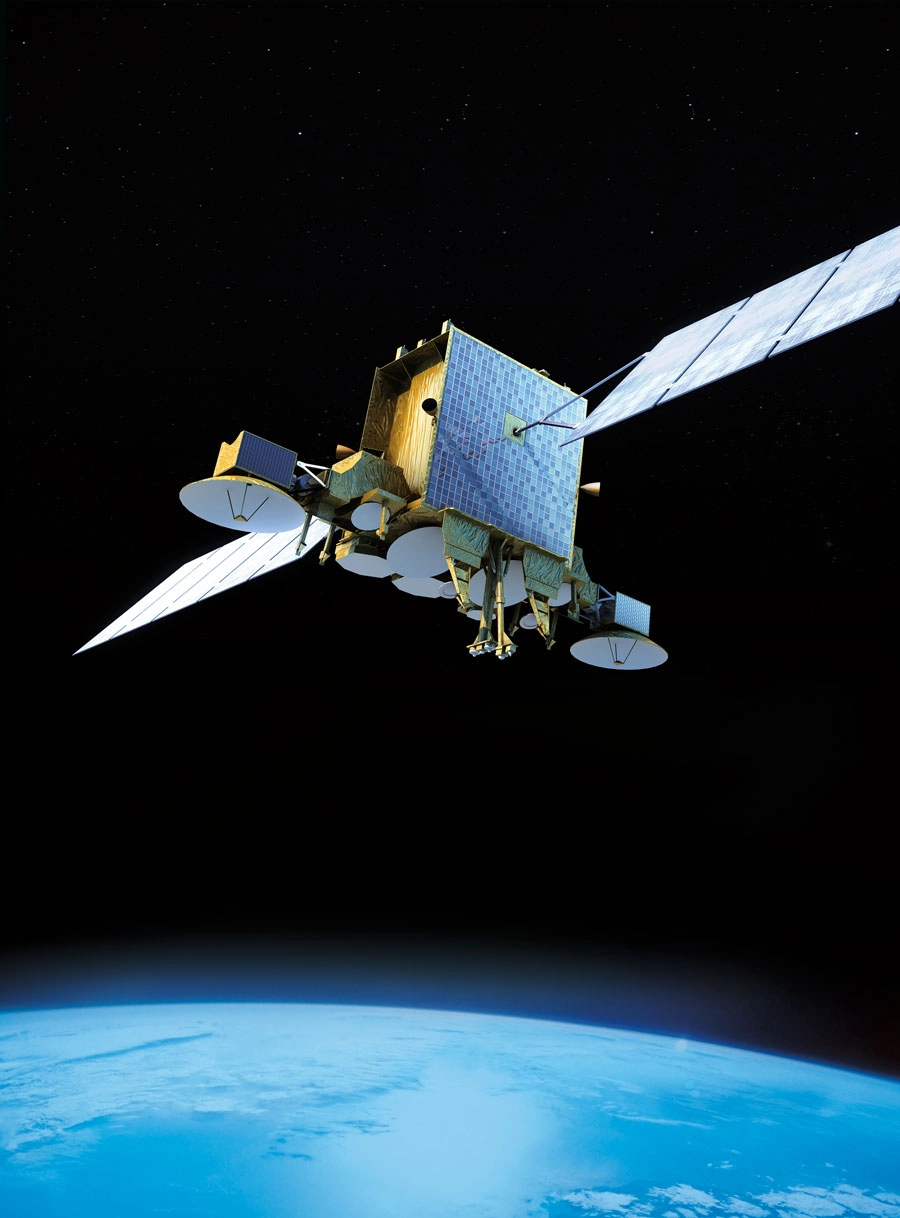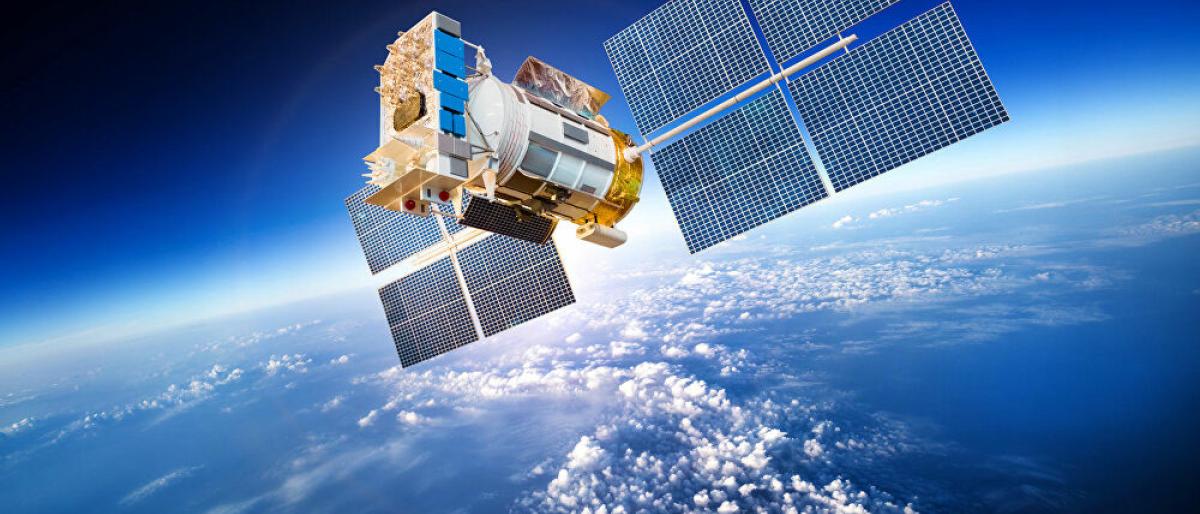
ArabSat is one of the most prominent communication satellites in the Arab world, providing vital services across the Middle East, North Africa, and Europe. Since its launch in 1985, ArabSat has revolutionized satellite television, radio broadcasting, and telecommunications in the region.
With its strategic position in space, ArabSat has become an essential platform for delivering high-quality services to millions of viewers and businesses.
🚀 On the subject of ArabSat
ArabSat is owned by the Arab States Broadcasting Union (ASBU) and serves as a regional hub for satellite communications. It provides a wide range of services including:
-
Satellite TV and radio broadcasting
-
Telecommunications
-
Internet services
-
Corporate communications
ArabSat has been key in connecting countries across the Arab world and delivering content from both local and international broadcasters. The satellite is known for its reliability and vast coverage, offering seamless connectivity in urban and remote areas alike.
🌐 ArabSat’s Satellite Fleet
ArabSat operates a fleet of satellites positioned at various orbital slots. These satellites are strategically placed to ensure optimal coverage across the Middle East, North Africa, and parts of Europe. The fleet includes:
-
ArabSat 6A
-
ArabSat 5C
-
ArabSat 4B
-
ArabSat 4A
-
ArabSat 2 (and more)
Each satellite is equipped with high-powered transponders that enable broadcast services, including high-definition (HD) television, radio channels, and internet connectivity.
🛰️ Frequencies and Services on ArabSat
ArabSat offers a wide range of frequencies across different bands, including C-band, Ku-band, and Ka-band. These frequencies are used for:
-
TV and radio channels
-
Internet and data transmission
-
Private corporate communication networks
The specific frequencies used for different services can vary depending on the location of the user, and ArabSat offers detailed guidelines on how to access its channels and services through the appropriate frequencies.
For viewers and users who want to find the right frequencies for their satellite equipment, FreqSatellite is the perfect platform. FreqSatellite provides a detailed guide on ArabSat frequencies, helping users access satellite TV channels, radio stations, and communication services easily.
📡 How to Receive ArabSat Signals
To access ArabSat’s signals, users must have a satellite dish installed and properly aligned to the satellite’s position. The most common frequencies used for ArabSat TV and radio services include:
-
C-band: Typically used for long-range communication and high-quality television broadcasts.
-
Ku-band: Often used for regional TV broadcasting, offering high-definition channels.
-
Ka-band: Used for higher bandwidth services, including satellite internet.
By following the frequency guidelines available on FreqSatellite, users can ensure that their satellite systems are tuned to the correct frequencies to receive the best possible service.
ArabSat continues to play a pivotal role in the communication and broadcasting landscape of the Arab world. Its reliable services and wide coverage make it an indispensable tool for viewers, broadcasters, and businesses across the region. If you want to access ArabSat’s satellite channels or learn more On the subject of its frequencies, FreqSatellite is your go-to resource for all the information you need.
Steps to Tune a Channel on the Receiver
- Open the receiver menu and navigate to satellite installation.
- Choose the satellite broadcasting the channel.
- Enter all tuning parameters correctly.
- Scan for the channel and save it once found.
Manual Frequency Setup Steps
- Open the manual tuning section on the receiver.
- Select the desired satellite.
- Add the new frequency with correct parameters.
- Scan and store the channel list.
How Modern Satellites Enable Interactive TV and Internet Access
Modern satellites do more than broadcast TV—they provide interactive services and internet connectivity to homes worldwide:
1. Two-Way Communication
- Interactive TV and satellite internet require uplink and downlink capabilities.
- Users can send requests or data back to the satellite through a return channel.
2. High-Speed Data Transmission
- Modern satellites operate at higher frequencies and use advanced compression to transmit large amounts of data quickly.
- This allows streaming of HD, 4K, and on-demand content without buffering.
3. Multi-Spot Beams
- Satellites use multiple focused beams to target specific regions, increasing bandwidth and efficiency.
- Enables simultaneous high-speed internet and interactive TV services in multiple locations.
4. Compatibility with Smart Receivers
- Receivers can process interactive content, such as video-on-demand, online gaming, or live polling.
- Smart set-top boxes connect to the internet to provide personalized services.
5.
The Evolution of Satellite Dishes: From Large Antennas to Compact Home Systems
Satellite dishes have come a long way since their early introduction:
1. Early Large Antennas
- The first satellite dishes in the 1960s and 1970s were large and bulky, often several meters in diameter.
- They were primarily used by broadcast stations and scientific institutions.
- Analog signals made reception prone to interference and limited channel availability.
2. Home Satellite Dishes
- In the 1980s, smaller dishes were developed for residential use.
- Parabolic designs improved signal focus and quality.
- Digital broadcasting in the 1990s increased channel availability and reduced signal interference.
3. Modern Compact Systems
- Today’s dishes are often less than 1 meter in diameter, easy to install at homes.
- They support HD, 4K, and interactive satellite services.
- Many modern dishes can receive signals from multiple satellites using a single LNB.
The Impact of Weather on Satellite TV Reception and How to Minimize It
Weather conditions can affect satellite TV reception, but proper measures can help maintain clear signals:
1. Rain and Snow
- Heavy rain or snow can weaken satellite signals, causing pixelation or temporary loss.
- Using a larger dish or a high-gain LNB can improve signal stability.
2. Strong Winds
- Wind may shift the dish, misaligning it from the satellite.
- Ensure the dish is firmly mounted with a secure bracket to prevent movement.
3. Sun Outages
- During certain times of the year, the sun can interfere with the satellite signal.
- Outages are temporary and typically last a few minutes per day over several days.
4. Preventive Measures
- Regularly check and tighten mounting brackets and cables.
- Keep the dish clear of debris, snow, or ice.
- Consider weather-resistant LNBs and dish covers for extreme conditions.
5. Signal Monitoring
- Use the receiver’s signal meter to monitor strength and make minor adjustments if needed.